 emizofficial@gmail.com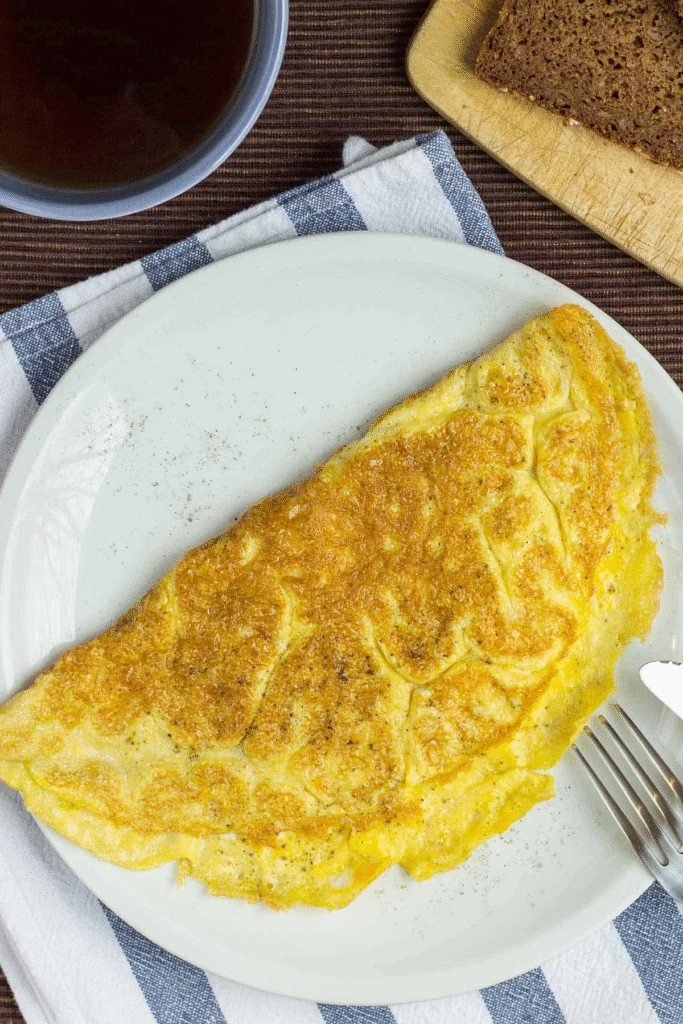
I’ll never forget the first time I made my dad an omelette. I was about ten, standing on a wobbly step-stool, determined to make him breakfast in bed for Father’s Day. What emerged from the pan was… well, let’s call it “rustic.” A rubbery, overbrowned, slightly tragic crescent filled with undercooked onion. But he ate every single bite with a smile that could have powered the sun. He told me it was the best thing he’d ever eaten. That’s the magic of an omelette, isn’t it? It feels like a love letter, a simple act of care. It’s taken me twenty years and more failed attempts than I can count to finally crack the code to a truly perfect one. No more rubber, no more tears (yours or the onion’s). Just tender, creamy, golden-yellow folds. This is the method that finally worked for me, the one that turns a humble egg into a small miracle.
Quick Look
| Prep | Cook | Total | Feeds | Level |
|---|---|---|---|---|
| 2 mins | 3 mins | 5 mins | 1 | Easy |
Why You’ll Love This Recipe
- It’s a 5-minute marvel. Seriously, from fridge to plate faster than you can scroll through your newsfeed.
- The texture is everything. We’re aiming for tender, not tough; creamy, not dry.
- It’s a perfect blank canvas. Master this basic recipe, and a world of fillings and flavors opens up.
- It feels fancy but is deceptively simple. Impress yourself before you impress anyone else.
Grab These
- 3 large, fresh eggs (Please, for the love of all that is good, use the best eggs you can find. It makes a world of difference. I get mine from a local farm and the yolks are like orange sunshine.)
- 1 tablespoon unsalted butter (None of that margarine business. We need the flavor and the high heat tolerance.)
- A tiny pinch of salt (I use Diamond Crystal kosher salt; it’s less salty by volume so you have more control.)
- A few grinds of black pepper
- A splash of cold water (About a teaspoon. My grandma swore this made for a fluffier omelette, and science backs her up—the steam helps.)
Let’s Make It
Alright, let’s get our minds right before we start. The key here is confidence and speed. Have your plate ready and your butter measured. This is not a time for multitasking.
First, crack your eggs into a bowl. Add that splash of cold water and your salt and pepper. Now, here’s the first controversial opinion: don’t go crazy whisking. You’re not trying to incorporate a ton of air. Just beat them until the yolks and whites are just combined. A few stray strands of white are fine. Over-beating can make the omelette tough. See? We’re being gentle already.
Melt your butter in a non-stick skillet over medium heat. Let it foam a little, but don’t let it brown. You want that pan nice and slick. The moment the butter is ready, pour in the eggs. They should sizzle gently. Let them sit for about 10 seconds, just to start setting on the bottom. Then, with a heatproof spatula, gently push the cooked edges toward the center, tilting the pan to let the uncooked egg run into the empty space. Do this a few times around the perimeter. You’re creating those lovely, soft curds.
This is the moment of truth. When the top is still a little wet and glossy, but not runny, it’s time to fold. Tilt your pan away from you and use your spatula to fold the third of the omelette closest to you over the center. Then, with a confident flick of your wrist, roll the omelette out of the pan and onto the plate, seam-side down. It should be a beautiful, pale golden color. Don’t worry if it’s not perfect. My tenth one looked worse than your first, I promise.
Nutritional Facts (Per Serving)
| Nutrient | Amount |
|---|---|
| Calories | ~ 280 kcal |
| Protein | 19g |
| Carbohydrates | 1g |
| Fat | 22g |
| Fiber | 0g |
| Sugar | 0g |
| Note: Values are estimates |
Variations & Add-Ins
- The French Classic: Just before folding, scatter a tablespoon of finely chopped fresh chives and a couple of tablespoons of grated Gruyère cheese over the center.
- The “Kitchen Sink”: Have a little leftover roasted veg or cooked bacon? Chop it finely and sprinkle it over the center before folding. My favorite is diced ham and a bit of cheddar.
- The Herb Garden: Stir a tablespoon of mixed fresh, soft herbs (like parsley, tarragon, and dill) into the eggs right after you whisk them.
Serving Ideas
- Honestly, a perfect plain omelette needs nothing more than a piece of buttery, warm toast for dipping.
- For a real café-style breakfast, serve it with a simple side of mixed greens dressed with a sharp vinaigrette to cut the richness.
- My husband loves his with a generous dollop of my quick-blend salsa verde on the side.
Storage & Reheating
Let’s be real, you don’t store omelettes. They are a “make and eat immediately” kind of joy. If you absolutely must, you can keep it in the fridge for a day, but the texture will never be the same. Reheating is not recommended.
My Two Cents (Pro-Tip)
Your pan is everything. Use a good, slick non-stick skillet that you reserve just for eggs. And that bit about adding the eggs when the butter is foaming but not brown? That’s the secret between a pale, tender omelette and a tough, browned one. Heat control is 90% of the battle.
You Asked, I’m Answering (FAQ)
- “My omelette always sticks! What am I doing wrong?” Two things: your pan might be past its prime (non-stick doesn’t last forever), or you’re not using enough fat. Don’t be shy with the butter here. It’s part of the flavor.
- “Is milk or cream better than water?” In my opinion? No. Milk can make the eggs tougher, and cream makes them heavy. Water creates steam for a lighter lift. It’s the old-school diner trick for a reason.
- “Can I make this for a crowd?” You can, but make them individually. Trying to make one giant omelette for multiple people is a recipe for disaster and a scrambled egg mess. It’s worth the five minutes per person, I swear.

 emizofficial@gmail.com